



Common Myths About Equipment Monitoring
 05/11/2025

 Back to Articles
Facility managers have long relied on experience and intuition to maintain reliable operations. But as equipment grows more complex, data-driven monitoring has become essential for preventing failures and maximizing performance. Still, many organizations hesitate to adopt equipment monitoring due to common misconceptions. Understanding what is fact and what is fiction is the first step toward improving efficiency, reliability, and uptime.
Myth 1: Equipment Monitoring Is Too Expensive
One of the biggest myths is that equipment monitoring is only for large enterprises with big budgets. In reality, modern monitoring technology has become much more affordable and scalable. Facilities can start small, focusing on their most critical assets, and expand as results prove the value. By preventing even one major equipment failure or production interruption, monitoring systems often pay for themselves.
Myth 2: Only New Equipment Can Be Monitored 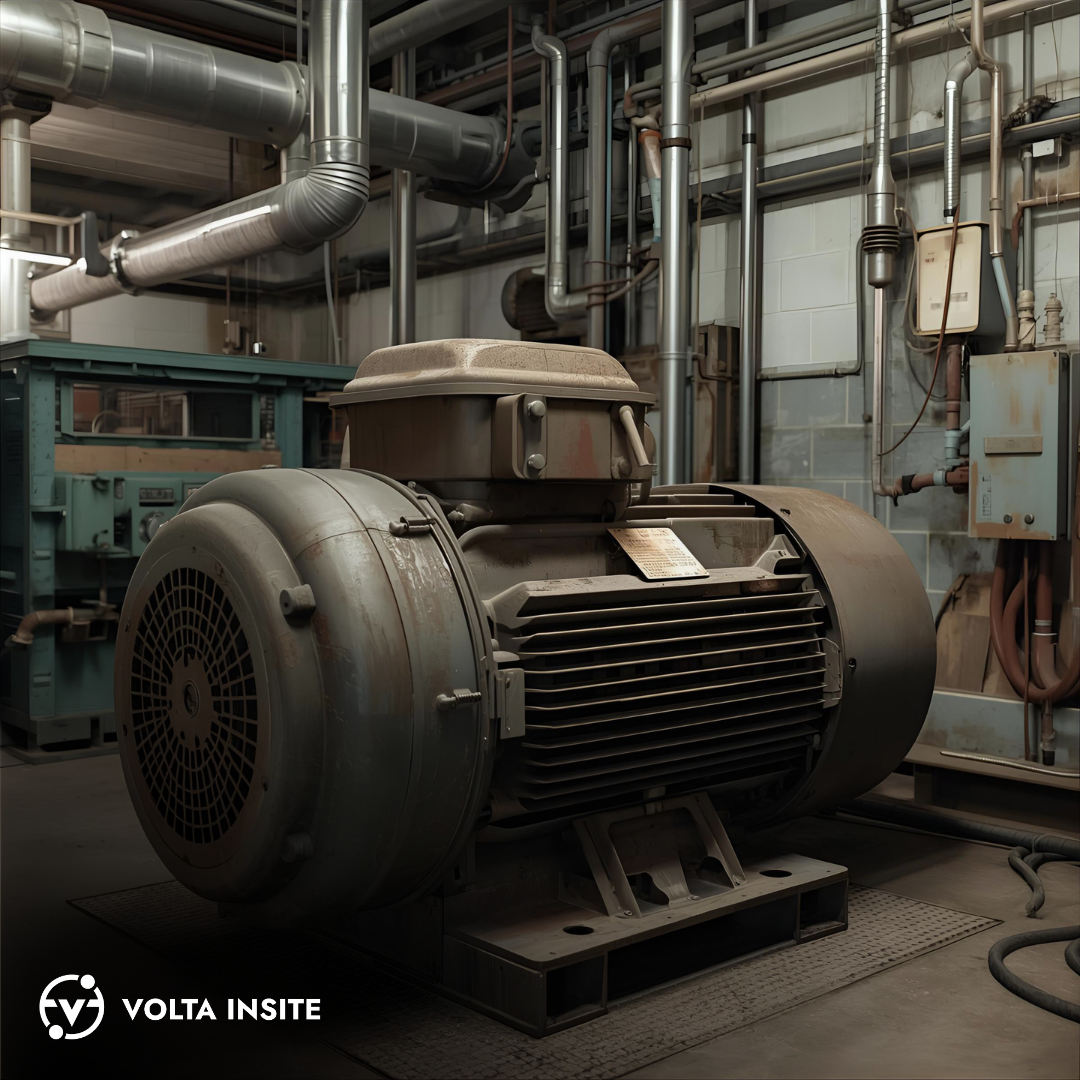
Some believe older machines cannot be integrated into monitoring systems, but this is not true. Many sensors including Volta Insite’s Nodes are designed to retrofit onto existing equipment, regardless of age or brand. These devices capture electrical and operational data without requiring major modifications. This flexibility allows facilities to modernize their maintenance programs without replacing functional assets.
Myth 3: Monitoring Produces Too Much Data to Manage
While it is true that continuous monitoring generates large amounts of data, today’s systems are designed to make sense of it. Platforms like Volta Insite’s InsiteAI use artificial intelligence to filter and interpret incoming information, identifying patterns, and only send alerts that matter most. Instead of overwhelming teams, monitoring simplifies complex data into actionable insights that improve performance and reliability.
Myth 4: Monitoring Alone Prevents Failures
Another misconception is that installing equipment monitoring automatically eliminates problems. Monitoring is a tool, not a solution by itself. It provides the visibility needed to detect early warning signs, but action is still required to address issues before they escalate. Combining monitoring with predictive maintenance ensures that teams not only see problems but also fix them before downtime occurs.
Myth 5: Equipment Monitoring Is Only About Preventing Breakdowns 
While preventing failures is a major benefit, monitoring also improves energy efficiency, asset utilization, and system safety. By tracking real-time performance data, facility managers can optimize how and when equipment operates, reduce waste, and maintain compliance with industry standards. Monitoring transforms maintenance from a reactive necessity into a strategic advantage.
Bringing Clarity with Volta Insite
The truth is that equipment monitoring is no longer optional for modern facilities. It is an essential part of staying competitive, compliant, and cost-effective. Volta Insite provides the technology and expertise to make this transition seamless.
Through advanced electrical signature analysis and InsiteAI’s intelligent algorithms, Volta Insite helps facility managers detect irregularities, pinpoint inefficiencies, and prioritize maintenance before disruptions occur. By leveraging real-time data from each Node, teams gain a clear view of equipment health and performance across their entire operation.
Facilities that embrace monitoring and predictive analytics can reduce downtime, improve asset lifespan, and operate with greater confidence. With Volta Insite, the myths are replaced by measurable results and the truth becomes clear in the data.
Related:
How Monitoring Prevented a Major Equipment Issue
5 Signs Your Manufacturing Equipment is Headed for Failure
Predict Equipment Failures: Enhance Water Treatment Reliability