



How AI and Predictive Tools Simplify Fall Maintenance Planning
 12/11/2025

 Back to Articles
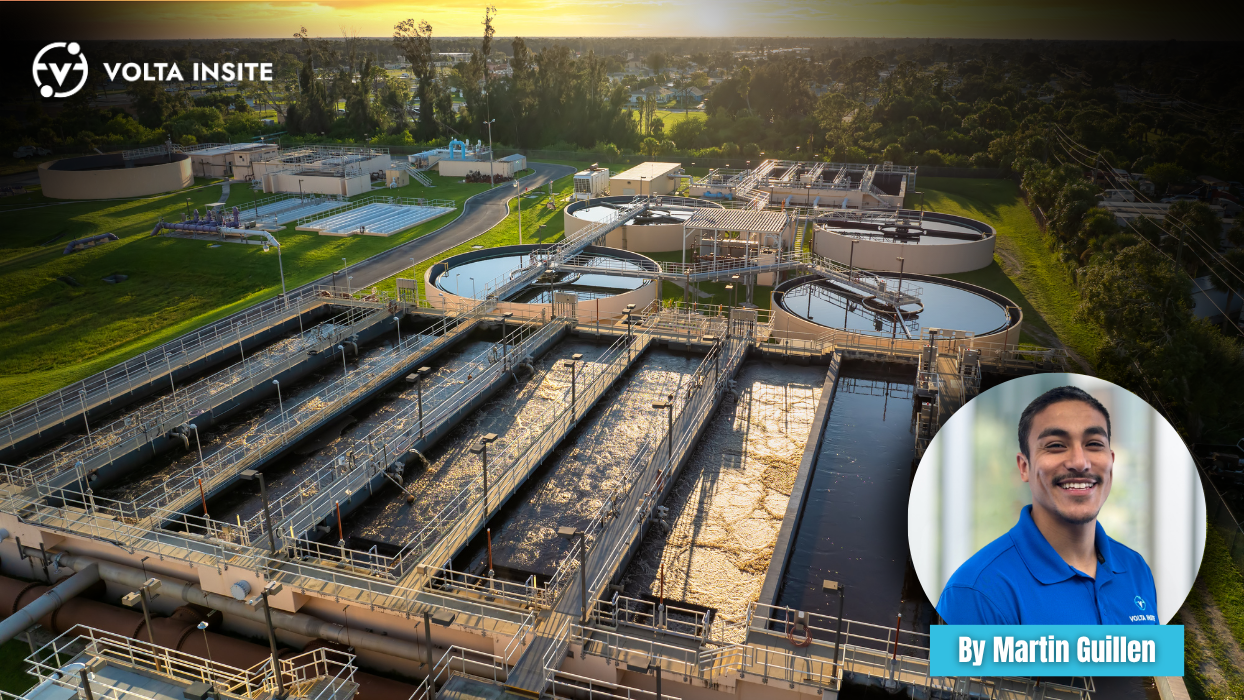
As temperatures drop and demand patterns shift, fall is one of the most critical times for facility managers to assess system performance and prepare for the months ahead. Traditional maintenance programs often rely on manual inspections and seasonal routines, but artificial intelligence (AI) and predictive analytics are changing the way facilities plan and prioritize maintenance. By combining real-time data with smart forecasting, teams can ensure that their operations stay reliable, efficient, and cost-effective throughout the colder months.
Why Fall Maintenance Matters 
Every season presents new operational challenges, and fall is no exception. Temperature swings, humidity changes, and increased heating demands can put added stress on motors, drives, and electrical systems. Without proper preparation, minor inefficiencies can quickly escalate into unplanned downtime or costly repairs during peak winter operations.
Routine maintenance checklists are a good start, but they often depend on fixed schedules instead of actual equipment condition. That’s where AI and predictive tools make a major difference. They help identify potential issues before they become critical, ensuring maintenance is performed based on data, not just dates.
Using AI to Turn Seasonal Data Into Action
AI-driven maintenance systems analyze large volumes of operational data to detect early signs of wear or instability. By learning how equipment behaves under different seasonal conditions, these systems can predict when and where maintenance will be needed.
Key ways AI supports fall maintenance planning include:
-
Trend analysis: Recognizes subtle performance changes caused by temperature or load shifts.
-
Anomaly detection: Flags irregularities in voltage, vibration, or current before failure occurs.
-
Prioritization: Suggests which assets need attention first based on criticality and condition.
This proactive approach allows facility managers to act before disruptions occur, reducing emergency repairs and optimizing labor resources as the year comes to a close.
Predictive Tools Improve Efficiency and Budgeting ### Why Fall Maintenance Matters 
Predictive maintenance tools not only improve reliability but also help allocate budgets more effectively. Instead of spreading maintenance evenly across all systems, predictive insights show where resources will have the most impact. For example, AI might detect that a specific motor is showing signs of electrical stress due to colder ambient conditions. Addressing that issue early prevents downtime, saves energy, and extends asset lifespan.
With continuous monitoring from intelligent Nodes, facilities can make better decisions about replacement schedules, part inventory, and maintenance staffing. Predictive tools transform maintenance from a reactive cost center into a data-driven strategy for long-term performance.
Plan Ahead with Volta Insite
Fall is the perfect time to evaluate your maintenance strategy and prepare your equipment for the demands of winter. Volta Insite provides the clarity needed to do it right.
Using InsiteAI and advanced electrical signature analysis, Volta Insite delivers real-time insight into equipment performance across your facility. Each Node continuously monitors power quality and asset health, allowing you to detect inefficiencies, predict failures, and prioritize maintenance before downtime occurs.
With Volta Insite, seasonal transitions become smoother, operations stay efficient, and facility managers can focus on strategic improvements rather than emergency fixes.
Related:
How Facility Managers Can Incorporate AI Into Their Facilities
5 Signs Your Manufacturing Equipment is Headed for Failure
Revolutionizing Predictive Maintenance with AI: Unlocking Granular Insights | Volta Insite